Timeless Beauty: The Path to Aesthetics Through Mindfulness
What Is Beauty and Why Is It Important?
Beauty is a universal and multifaceted concept that exists in various forms and manifestations. From nature and art to everyday life and human perception, beauty surrounds us everywhere. What is its significance and how does it affect our state and perception of the world around us?
Beauty as a Source of Inspiration
Since ancient times, humans have sought beauty in the surrounding world, striving to understand its nature and influence on the inner world. Philosophers and art historians assert that the perception of beauty is deeply connected to our inner state and emotional reactions. Beauty serves as a kind of catalyst for creative ideas, inspiring artists, writers, and musicians to create masterpieces.
How Does Beauty Affect Emotional State?
Beauty has a significant impact on a person's emotional state. The aesthetic perception of beautiful objects or works of art evokes positive emotions, enhances the sense of harmony, and contributes to inner balance. For example, studies show that interaction with works of art or nature can reduce stress levels and improve overall well-being.
Table: How Different Types of Beauty Affect Us
| Type of Beauty | Emotional Effect |
|---|---|
| Nature (landscapes, plants) | Stress reduction, tranquility, inspiration |
| Art (paintings, sculptures) | Deepening thought, mood enhancement, admiration |
| Architecture | Sense of harmony, grandeur, satisfaction |
| Personal perception (appearance, clothing) | Increased confidence, aesthetic pleasure |
Why is Beauty So Important for Society?
Beauty plays a key role not only in personal perception but also in the social context. In ancient Greek philosophy, beauty was associated with the concept of "kallos," which meant the perfect combination of external and internal virtue. In the "Poetics," Aristotle emphasizes the importance of beauty in art as a means of knowledge and a source of inspiration for society. Through beauty, society comprehends truth and strives for harmony.
Thus, beauty is not just a visual perception but a deep emotional and philosophical concept that helps people find meaning, comfort, and joy in everyday life.
Beauty in Art and Nature
Beauty is found not only in everyday life but also in art and nature. These two spheres have had and continue to have a huge influence on the development of human culture and the perception of the world. Art and nature give us inspiration; they become sources of aesthetic pleasure and emotional harmony.
Art as a Reflection of Beauty
Art is one of the greatest forms of expressing beauty. Through paintings, sculptures, music, and architecture, artists, sculptors, and architects convey their emotions, worldview, and inspiration. In art, beauty often becomes a connecting link between the inner world of the creator and the outer world of the viewer.
The reflection of beauty in art is an important theme in the works of philosophers such as Johann Wolfgang von Goethe. He wrote about how art can awaken deep emotions in the viewer and change their perspective on the world. Goethe asserted that art is a mirror of the human soul, through which one can perceive the beauty of the world in its various manifestations.
Nature as a Source of Inspiration
Nature is another inexhaustible source of beauty. Every element of nature, be it a blooming garden, a majestic mountain, or a calm ocean, can become an object of admiration and inspiration. Nature embodies harmony, which many artists and architects strive for.
Many works of art borrow their forms and concepts from natural objects. From simple lines to complex symmetrical forms in sculpture and architecture, nature remains an inexhaustible source of inspiration. In turn, nature is often perceived as a work of art due to its aesthetic integrity.
Table: Nature and Art — Common Features
| Aspect | Nature | Art |
|---|---|---|
| Harmony | Natural forms, proportions, symmetry | Use of proportions and symmetry in composition |
| Color | Bright, saturated shades in landscapes | Use of color to convey emotions and moods |
| Texture | Surfaces of earth, water, plants | Textures in sculpture and painting to create a sense of reality |
| Dynamics | Life, growth, movement of nature | Dynamics in depicting movement, changes, and emotions |
Symmetry and Proportions in Nature and Art
Symmetry and proportions are important aspects both in nature and in art. Natural forms such as tree leaves, flowers, and even snowflakes have unique symmetry that evokes a sense of harmony. Artists and architects borrow these forms, striving to convey the same idea of beauty and completeness.
Scientists study how symmetry affects the perception of beauty. Symmetry is considered one of the universal signs of aesthetic attractiveness because it creates a sense of order, wholeness, and predictability.
The Influence of Beauty on the Human Psyche
Beauty has a profound impact on the human psyche, helping not only in the aesthetic perception of the world but also in emotional and cognitive development. Numerous studies confirm that interaction with beautiful objects and experiencing beauty can be associated with mood improvement, stress reduction, and even enhancement of cognitive functions. It is important to note that the perception of beauty is individual and may change depending on many factors such as cultural context, personal preferences, and social environment.
Psychological Aspects of Beauty
Beauty can evoke a wide range of emotions in a person — from admiration and tranquility to anxiety and bewilderment. Psychologists believe that the perception of beauty is closely related to evolutionary mechanisms aimed at survival and adaptation. For example, symmetrical forms are often perceived as more attractive because in nature they are associated with vitality and health.
Beauty influences perception and behavior: the striving for harmony and symmetry contributes to mental resilience. Aesthetic order facilitates information processing and creates a sense of security.
Beauty as a Source of Inspiration and Harmony
Beauty can inspire and bring harmony into life. Art and nature often act as sources of positive emotions. Walks in picturesque places, enjoyment of paintings or architecture improve psycho-emotional state.
The book "Emotions and the Perception of Beauty" by Catherine Lewis emphasizes that aesthetic experience activates the production of happiness hormones — serotonin and dopamine. It also highlights the role of beauty as a means of overcoming anxiety and enhancing emotional resilience.
Aesthetics and Neurobiology

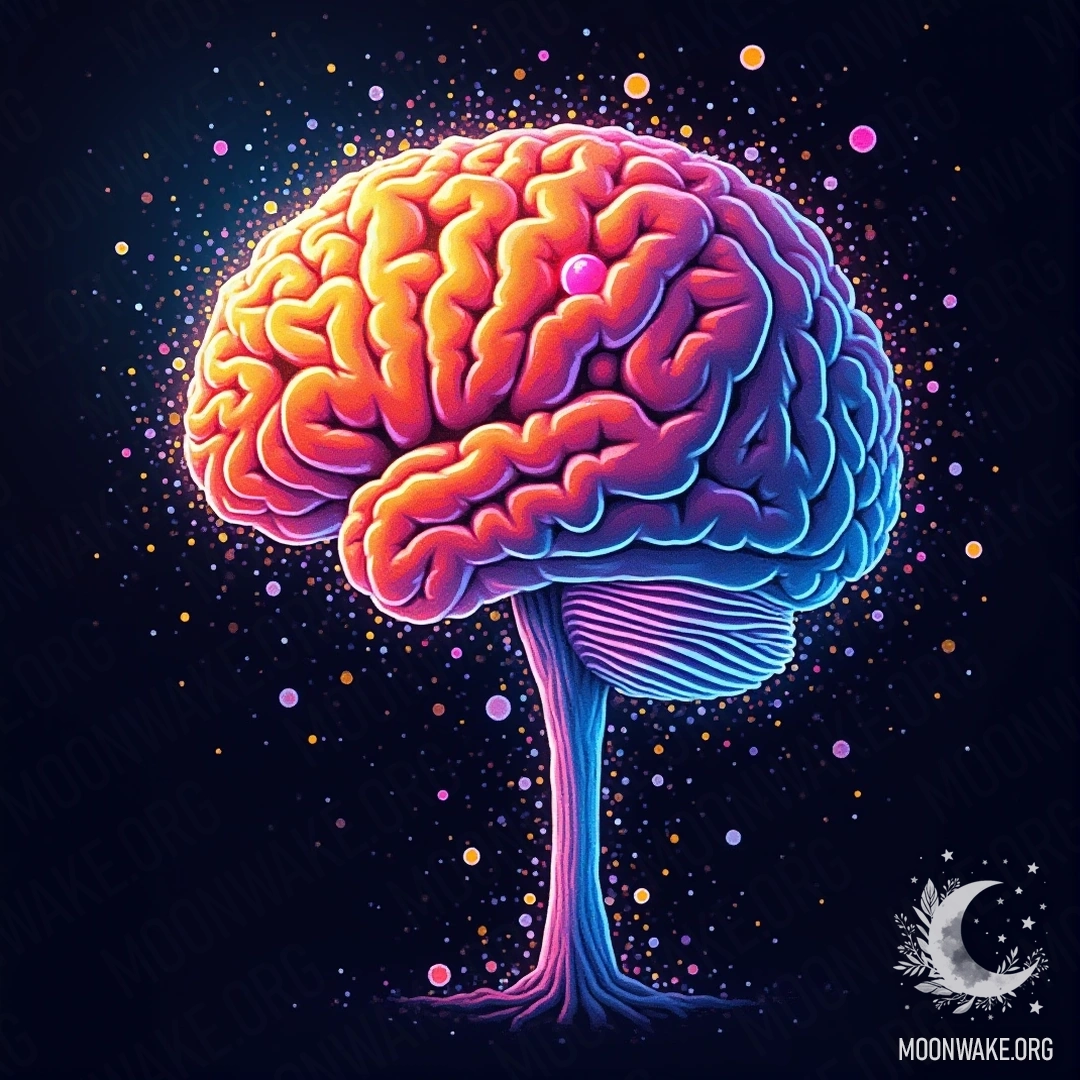
Modern research in neuroaesthetics confirms that the perception of beauty activates brain areas associated with motivation and the reward system. Neuroimaging methods show that aesthetically pleasing images activate the pleasure center, which is linked to positive emotions and stress reduction.
Research conducted by a group of scientists led by Michael Grayden confirms that beauty indeed affects the emotional state of a person and contributes to their well-being.
Table: Emotions Associated with the Perception of Beauty
| Emotion | Description | Example |
|---|---|---|
| Admiration | A feeling of wonder and pleasure from beauty, causing strong emotions. | Perceiving a majestic mountain landscape |
| Calmness | A feeling of tranquility arising when contemplating harmonious objects. | A walk in a blooming park |
| Anxiety | Sometimes beauty causes unease if it seems unattainable or artificial. | Idealized images in glossy magazines |
| Pleasure | Aesthetic enjoyment causing joy and satisfaction. | Listening to classical music or contemplating a painting |
Beauty in Art and Architecture
Art and architecture are two fields where beauty plays a crucial role. Throughout the centuries, artists and architects have strived to create works that are not only functional but also inspire, evoke emotions, and provide aesthetic pleasure. Each era in history brought its own ideals of beauty, embodied in masterpieces of painting, sculpture, architecture, and other art forms.
Aesthetics in Painting
Painting is one of the oldest forms of art, where beauty and aesthetic perception hold special significance. From ancient Greek frescoes to works of the Renaissance and modern artists, each style offers its own interpretation of beauty.
During the Renaissance, artists such as Leonardo da Vinci and Michelangelo aimed to depict the idealized human body, reflecting harmony and perfection.
The table below demonstrates the features of beauty perception in painting across different historical eras:
| Era | Features of Beauty Perception | Examples of Artists |
|---|---|---|
| Ancient Greece | Idealization of the human body, symmetry | Polygnotus, Apelles |
| Renaissance | Harmony and proportions, attention to detail | Leonardo da Vinci, Michelangelo |
| Baroque | Dynamics, grandeur, dramatic effect | Peter Paul Rubens, Caravaggio |
| Impressionism | Freedom of light and color perception | Claude Monet, Pierre-Auguste Renoir |
Architecture as Art
Architecture plays an equally important role in creating beauty in the surrounding world. Buildings are not only functional objects but also expressive works of art that can inspire and influence spatial perception. Architects such as Antoni Gaudí, Le Corbusier, and Frank Lloyd Wright embodied ideas of beauty through their unique projects.
A vivid example is the Sagrada Família in Barcelona, created by Gaudí. This church combines natural forms, harmony, and unique details, merging nature and technological innovations.
In the book "The Art of Architecture and Aesthetics", Richard Hobson explores the influence of architecture on perception and atmosphere through form, color, and materials, highlighting symmetry and asymmetry as key elements for creating harmonious and interesting spaces.
Symmetry and Asymmetry in Architecture
Symmetry is often used in architecture to create a sense of order and harmony. Many classical buildings, such as the Parthenon in Athens, are built with strict proportions and symmetry in mind. Modern design often employs asymmetrical forms to create dynamic and unique spaces.
| Type | Features | Example |
|---|---|---|
| Symmetry | Creating harmonious and balanced space | Parthenon, New York City Subway |
| Asymmetry | Dynamics, unconventional shapes | Gaudí — Sagrada Família, Capitol Monument in Rome |
Beauty and Its Influence on Personal Perception
Beauty is not limited to external objects such as art and architecture, but also penetrates personal perception, shaping emotions, mood, and worldview. This section explores how beauty affects inner perception, alters feelings, influences behavior, and how the concept of beauty relates to psychology.
Beauty and Emotions
Beauty can evoke various emotions: from tranquility and happiness to inspiration and awe. This is explained by the fact that beautiful surroundings or works of art activate pleasure centers in the brain. Studies show that beauty influences brain neurochemistry by releasing dopamine — the hormone of joy and satisfaction.
In the book "The Psychology of Emotions", Paul Ekman writes that the perception of beauty is one of the main factors of positive emotions. Ekman asserts that positive reactions to beauty have a long-term effect on a person’s psycho-emotional state.
Beauty and Perception of Time
Beauty affects the perception of time. In moments of enjoying beauty — a landscape or a work of art — a person often loses the sense of time. This phenomenon is called "absorption," when attention is focused on the object of beauty, and the outside world recedes into the background.
A Harvard University study showed that people surrounded by beautiful objects reported that time seemed to pass faster for them. This is related to activation of brain areas associated with pleasure.
Beauty and Perception of Health
Beauty influences the perception of health. Often beauty is associated with the ideal of health and youth. The concept of "evolutionary aesthetics" explains that attractive traits are perceived as indicators of health and good genes.
Scientists such as Robert Sternberg in the work "The Evolution of Beauty" emphasize that beauty is a strong stimulus for interpersonal relationships and socialization. We intuitively consider beautiful people healthier, which influences the desire to interact with them.
| Aspect of Life | Impact of Beauty | Example |
|---|---|---|
| Emotions | Evokes positive emotions, joy, awe | Viewing a painting, enjoying nature |
| Time | Sense of time is lost during moments of perceiving beauty | Reading an inspiring book, enjoying music |
| Health | Perception of beauty is linked with associations of health and youth | Attractiveness of certain physical traits |
Psychology of Beauty
Beauty in a psychological context is not only visual attractiveness. It is a concept of harmony, proportions, symmetry, and inner beauty manifested through behavior and attitude towards the world. Perception of beauty is subjective and depends on culture, personal preferences, and psychological state.
Psychologist Robert Sternberg in the book "The Psychology of Love and Beauty" explores the connection between love and beauty in the psyche, stating that attractiveness is a subjective process. Culture often dominates the "ideal of beauty" created by society, but true beauty does not always coincide with it.
Conclusion
Beauty deeply influences worldview. It enchants and shapes our attitude to space and people. Understanding the impact of beauty on emotions, time, and health helps to consciously perceive the world and find harmony. Beauty is multifaceted, and its perception is always subjective.
Eternal beauty and its connection to inner state
Beauty is not always connected with external features or short-term trends. Sometimes, "eternal beauty" is understood as qualities that do not fade over time, such as harmony, inner light, and balance. In this section, we will consider how a person's inner state relates to the perception of beauty and how we can maintain this balance through self-awareness and self-development practices.
Eternal Beauty as Inner Harmony
Eternal beauty is not just appearance or fashion standards. It is an idea that has come to us through philosophy and culture, that true beauty comes from within. When a person is in harmony with themselves, their inner state reflects on their appearance and the way they interact with the world around them. In this context, beauty becomes a natural consequence of inner balance.
As the philosopher Plato states in his dialogue "The Republic", the ideal form of beauty is beauty that is timeless and is an integral part of a person's inner world. Plato sees beauty as an embodiment of harmony and order, which manifests not only in nature but also in the human soul. Modern psychologists also confirm that inner harmony directly affects how a person is perceived by others, creating an atmosphere of attractiveness.
How Inner State Affects the Perception of Beauty
The well-known psychologist Carl Jung wrote that the perception of beauty is connected with our psychological state. When we feel happy, confident, and in harmony with the world around us, we begin to perceive beauty in things and people more vividly and clearly. On the other hand, if we are stressed or going through difficult times, it can be hard for us to see beauty in the surrounding world.
Jung, in his work "Psychology of the Unconscious", argues that the perception of beauty may be linked to the state of our unconscious, which influences our aesthetic perception. When a person's inner state is in harmony with their environment, beauty seems more pronounced, and every moment is filled with meaning. This emphasizes the importance of working on oneself to create inner balance.
Practices for Developing Inner Beauty
There are many practices and techniques that help maintain inner balance and harmony, which in turn affects the perception of both external and internal beauty. Here are some of them:
- Meditation: Meditation practice helps calm the mind, reduce stress, and establish internal dialogue. It contributes to restoring inner harmony, which improves perception of the external world.
- Yoga: Physical activity aimed at balancing body and soul helps align energy flows in the body, improving not only physical but also emotional state.
- Breathing exercises: Deep breathing helps reduce stress and tension levels, improving not only general well-being but also the ability to perceive surrounding beauty.
- Gratitude: Developing a practice of gratitude helps change one's perception of the world, focusing attention on positive moments and the beauty that surrounds us.
Eternal Beauty as a Reflection of Nature
Eternal beauty is also closely related to nature. Natural elements such as plants, mountains, oceans, and animals have always inspired people to create art and poetry. Natural beauty is considered perfect because it does not depend on human standards or time; it is eternal and unchanging. Inspiration from nature allows a person to go beyond the material world and turn to their soul, filling themselves with a sense of harmony.
Many works are devoted to the philosophical understanding of nature's beauty. In his book "The Beauty of Nature", John Ruskin states that observing natural landscapes and phenomena helps a person find inner peace and tranquility. Incorporating nature into everyday life can be an important step towards inner harmony, which in turn contributes to the feeling of beauty in one's life.
How to Preserve and Develop Eternal Beauty
To preserve inner beauty, it is important to pay attention to your emotional state and take care of yourself. This includes regular activities that promote psycho-emotional health, establishing healthy relationships with others, and working on yourself. There are different approaches to this: from psychotherapeutic techniques to simple but effective self-help methods.
It is important to remember that eternal beauty is not only physical perfection but also inner harmony, which develops through mindfulness, self-awareness, and care for one's inner world. This process is endless and requires constant attention, but its result is a deep perception of both external and internal beauty.
Conclusion
Eternal beauty is not something abstract or temporary. It is a set of qualities that manifest when a person is in harmony with themselves and the surrounding world. It is important to remember that beauty does not depend on ideals and standards established by society but is a reflection of our inner state. By working on ourselves, we can create space for beauty in our lives that will inspire us and those around us.